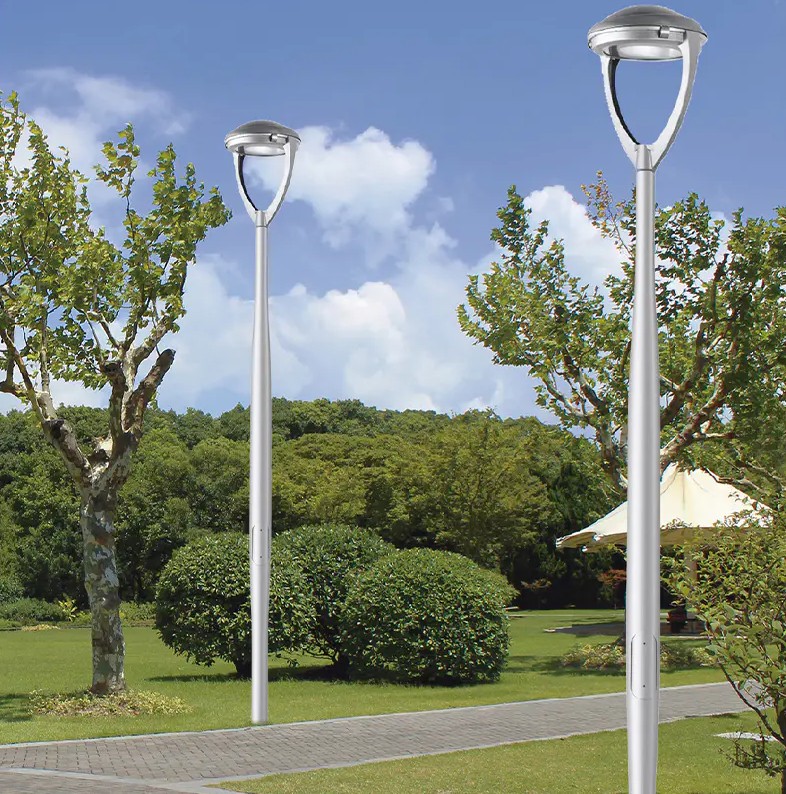
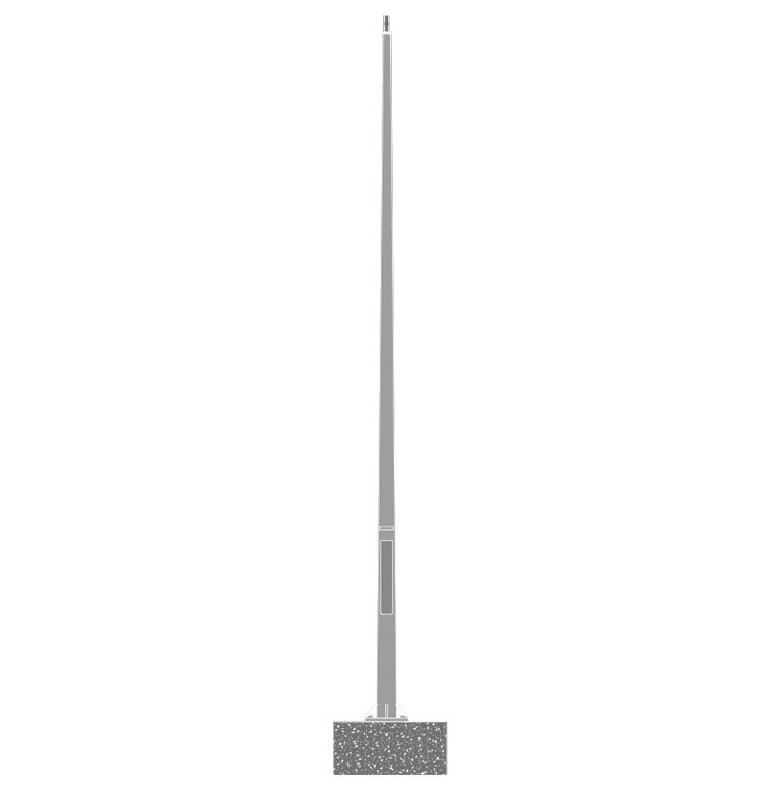
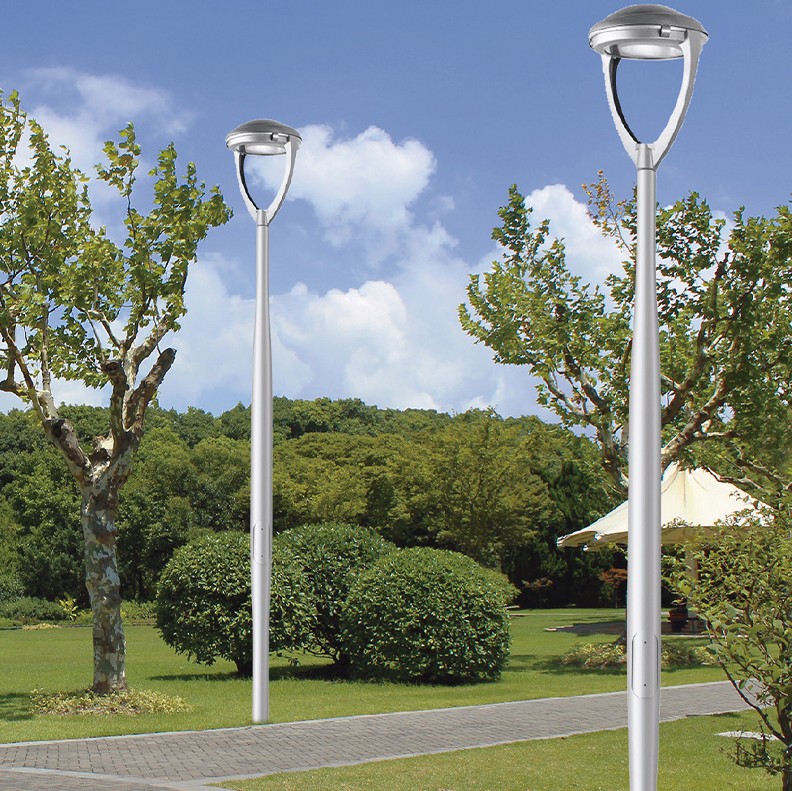
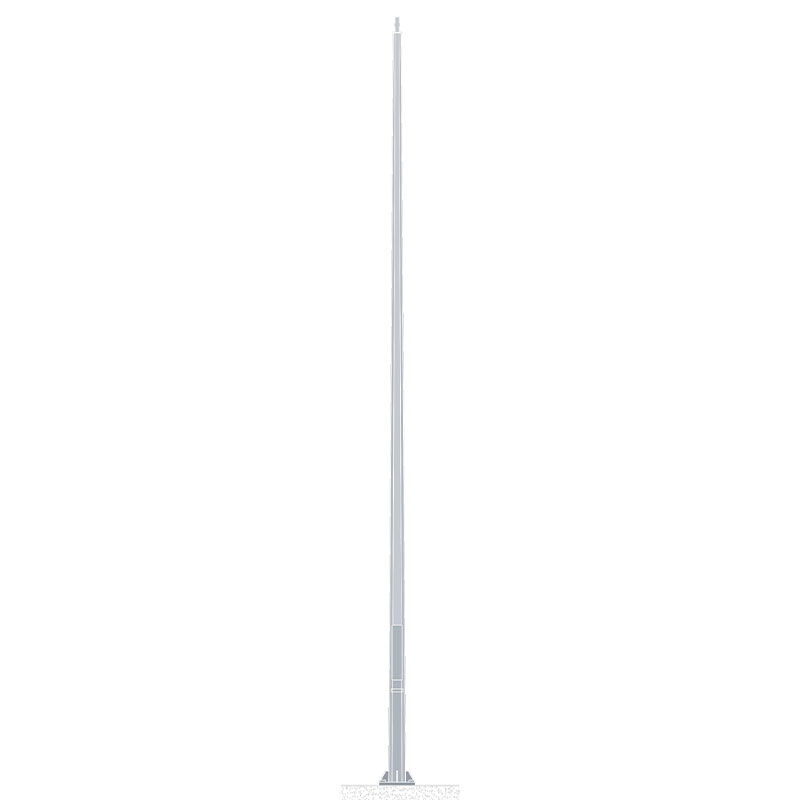
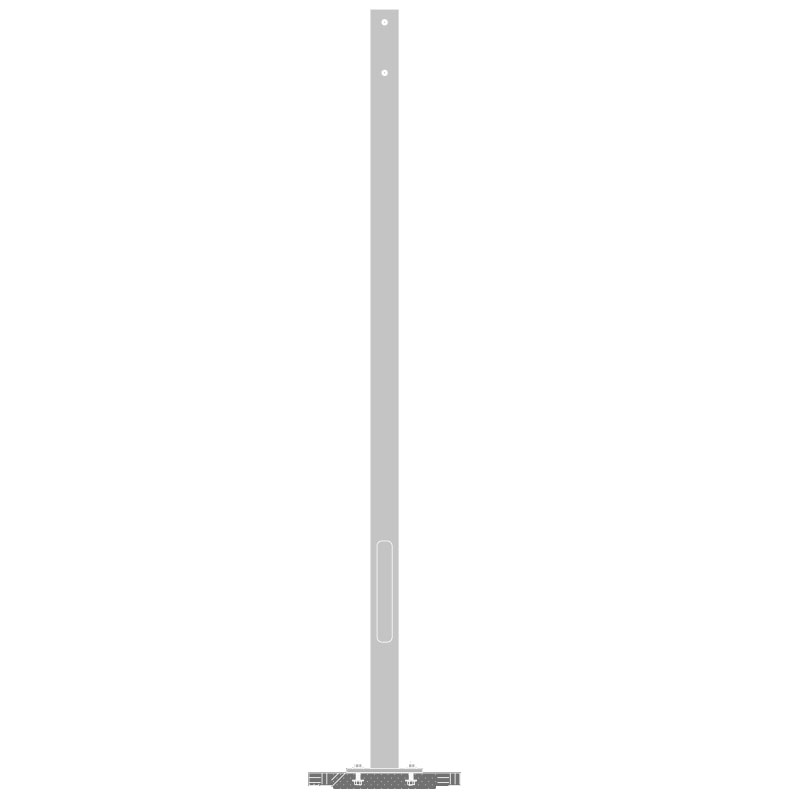
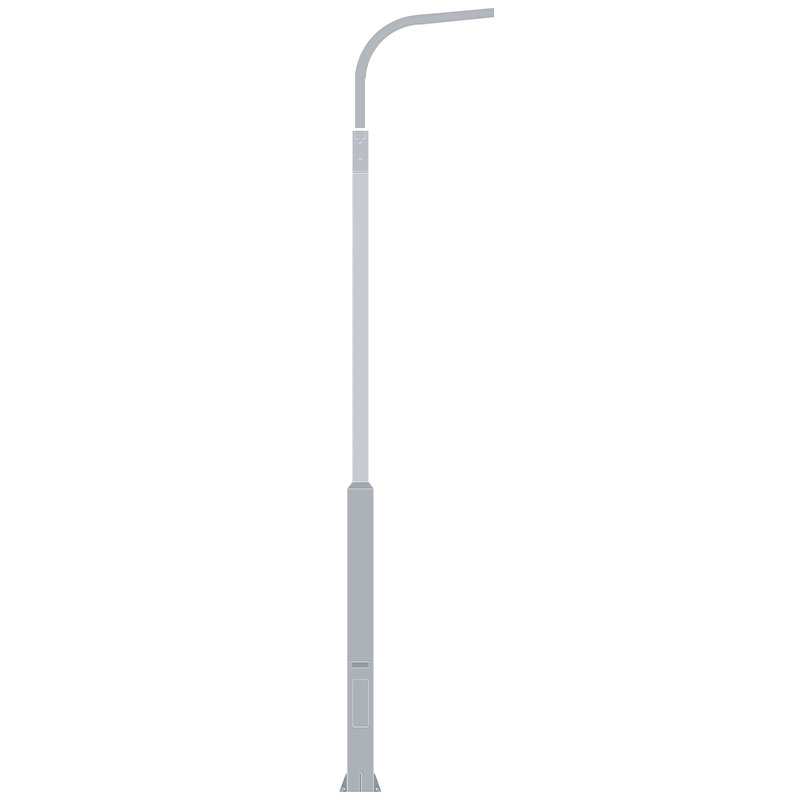
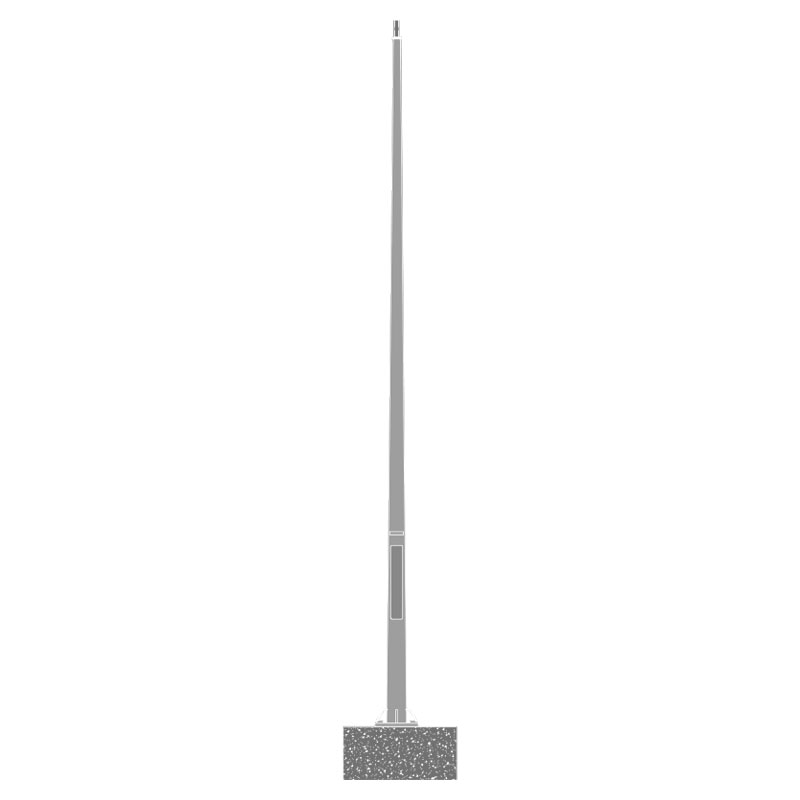
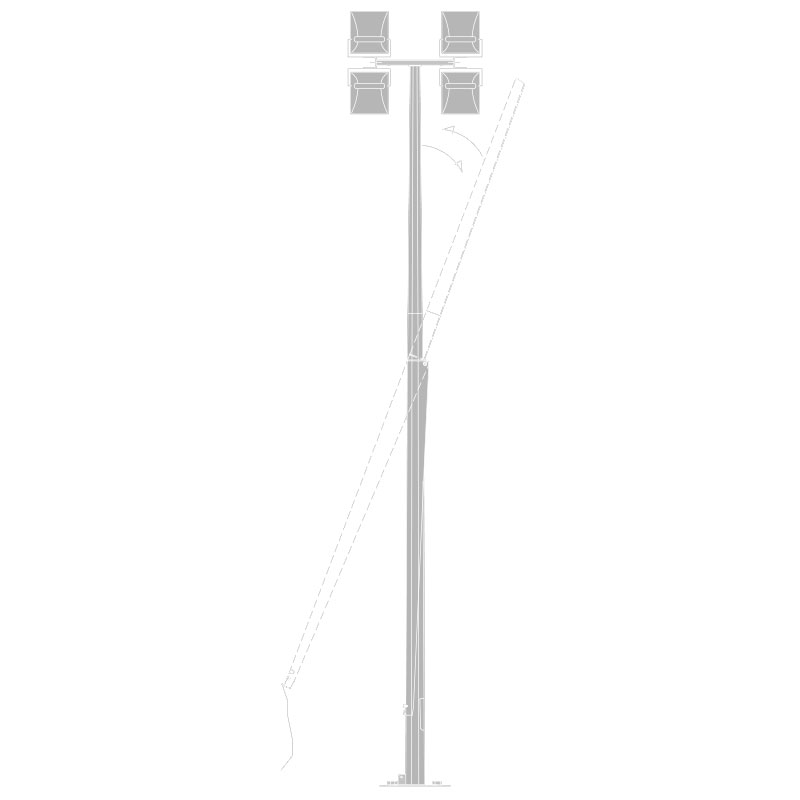
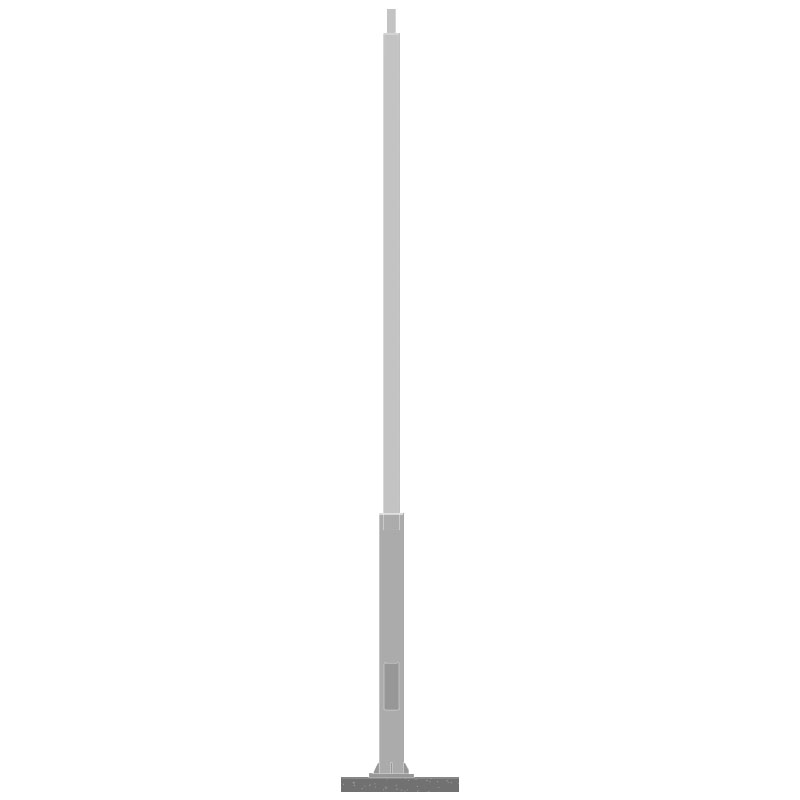
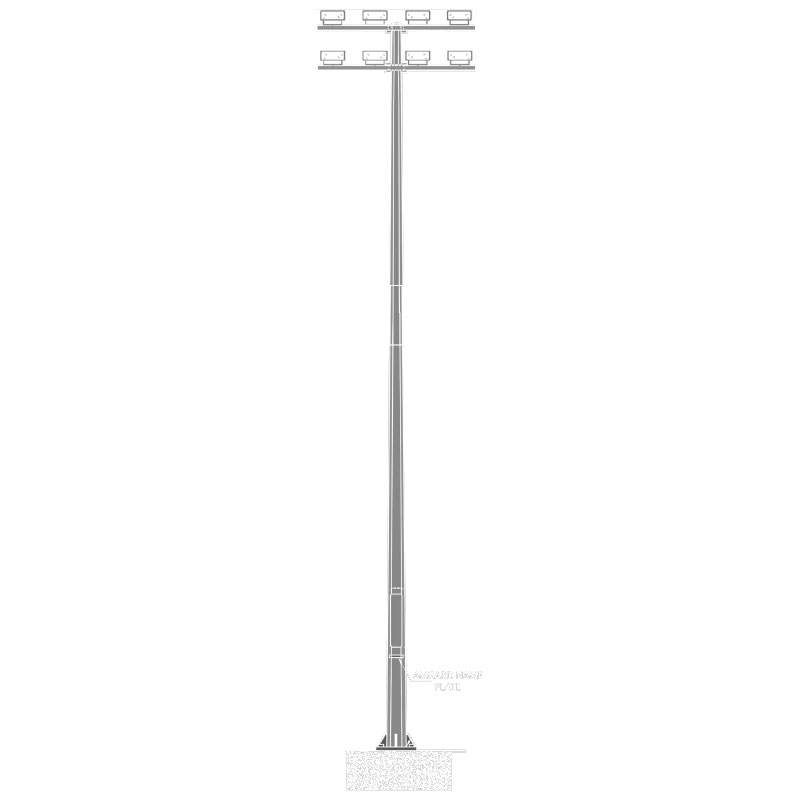
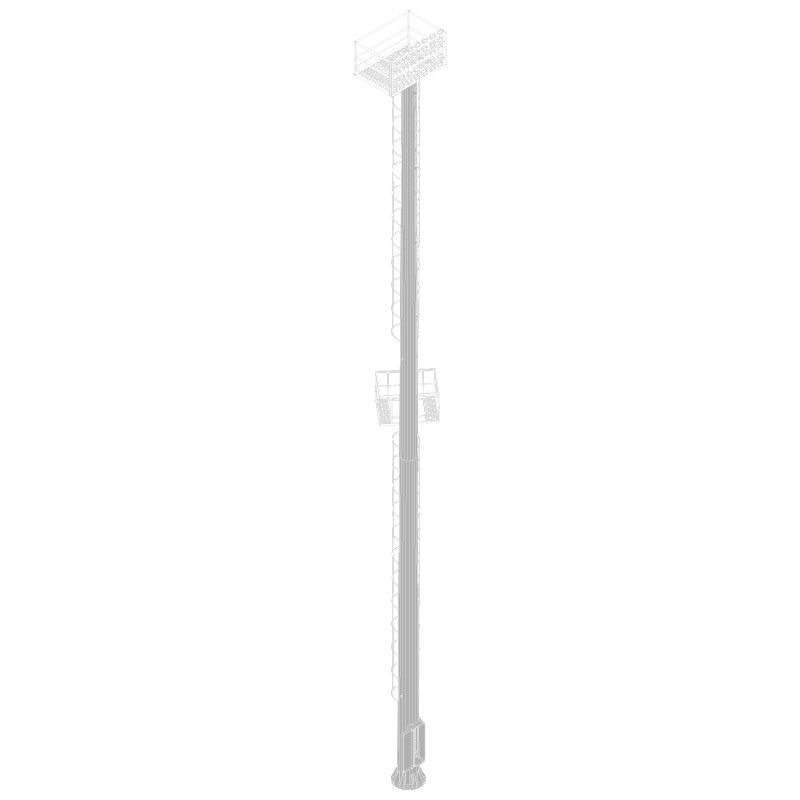
I pali della lampada in acciaio possono essere saldati e riparati dopo un danno e il costo della sostituzione parziale è inferiore a quello della sostituzione dei pali della lampada compositi nel loro insieme.
La tecnologia antiruggine (come la zincatura) può ridurre notevolmente la frequenza della manutenzione a lungo termine.
I pali per lampade in acciaio sono diventati una scelta affidabile per l'illuminazione urbana, con costi elevati, lunga durata e forma classica, soprattutto per i luoghi che devono tenere conto sia della funzionalità che della bellezza. Con l'aggiornamento della tecnologia, il suo campo di applicazione continua ad espandersi.
Un palo di 8 m su una strada principale, un palo di 3 m accanto a un vialetto di un giardino e un palo di 30 m sopra un piazzale portuale sono tutti pali della luce, ma appartengono a mondi ingegneristici diversi. L'altezza decide quale apparecchio può essere montato, quanto sono distanti i pali, quanto prof...
Vedi di piùUna scheda tecnica che dice "zincato a caldo" ti dice solo la metà di ciò che devi sapere. Due pali della luce in acciaio possono portare la stessa descrizione di due parole e comportarsi in modo completamente diverso dopo quindici anni di servizio. Uno ha una superficie di zinco grigio opaco senza ruggine rossa....
Vedi di piùSolitamente si scelgono prima gli apparecchi. In un progetto paesaggistico per un ufficio, il team di progettazione sceglie lanterne e proiettori testa-palo da un catalogo, l'appaltatore li valuta e solo dopo qualcuno chiede su cosa saranno montati, a quale altezza e su quale base. I pali diventano quindi il...
Vedi di più With their superior mechanical properties, cost-effectiveness, and long lifespan, they have become a reliable choice for urban lighting, road lighting, and landscape lighting.
Steel Light Pole are typically manufactured from high-quality low-carbon steel plates (such as Q235 and Q345) through processes such as cutting, bending, and automatic welding. The cross-sectional shapes of the poles are diverse, with common types including:
Classic and aesthetically pleasing, with good wind resistance.
Commonly used for high-mast lighting or special lighting.
High strength and modern design.
The core advantages of Steel Light Pole lie in their high strength and good maintainability.
Steel has extremely high yield strength and wind resistance, ensuring stability and safety under various harsh weather conditions.
High Cost-Effectiveness: Compared to other materials (such as composite materials), steel has a lower initial purchase cost.
Repairability: Damaged steel light poles can be welded and repaired. Partial replacement costs are significantly lower than replacing the entire composite light pole, greatly extending its service life.
To cope with the humid and corrosive outdoor environment, steel light poles must undergo professional rust prevention treatment. Hot-dip galvanizing is currently the most mainstream and effective anti-corrosion technology.
Principle: The steel is immersed in molten zinc, causing the steel surface to react with the zinc, forming a thick zinc alloy layer and a pure zinc layer, creating sacrificial anode protection.
Effect: The galvanized layer has a uniform thickness, providing significant rust prevention. This greatly reduces the frequency and cost of long-term maintenance, ensuring a service life of over 20 years for the light pole.
Post-treatment: After galvanizing, powder coating (electrostatic spraying) is usually applied, providing additional corrosion protection and the desired color and surface finish to meet aesthetic requirements.
Steel light poles, with their long lifespan and classic design, have become a reliable choice for urban lighting, especially suitable for locations that balance functionality and aesthetics.
Expressways, main roads, and secondary roads (high poles, long arm lengths).
Plazas, parks, and residential areas (decorative poles, courtyard lights).
Traffic signal poles, surveillance poles, and other multi-functional poles.
With technological upgrades, the application scope of steel light poles is constantly expanding, such as integrating smart lighting systems and 5G micro base stations, developing towards smart light poles.
Steel Light Pole represent durability, structural strength, and long-term reliability for modern infrastructure.
A: High initial cost-effectiveness; damaged poles can be welded and repaired, and the cost of partial replacement is far lower than the cost of replacing the entire composite light pole.
A: Hot-dip galvanizing is used to form a sacrificial anode protective layer, achieving a service life of over 20 years and significantly reducing maintenance frequency.
A: Primarily used for urban and road lighting. The development trend is the integration of smart technologies, becoming smart light poles and multi-functional poles.
A: They are made of low-carbon steel plates (such as Q235/Q345), with common cross-sections being conical or polygonal, providing high strength.
Ningbo Morelux Pole Technology Limited Tutti i diritti riservati. Vendita all'ingrosso Palo per Illuminazione in Acciaio Produttore OEM/ODM Palo per Illuminazione in Acciaio Azienda



 英语
英语 西班牙语
西班牙语 法语
法语 阿拉伯语
阿拉伯语 意大利语
意大利语