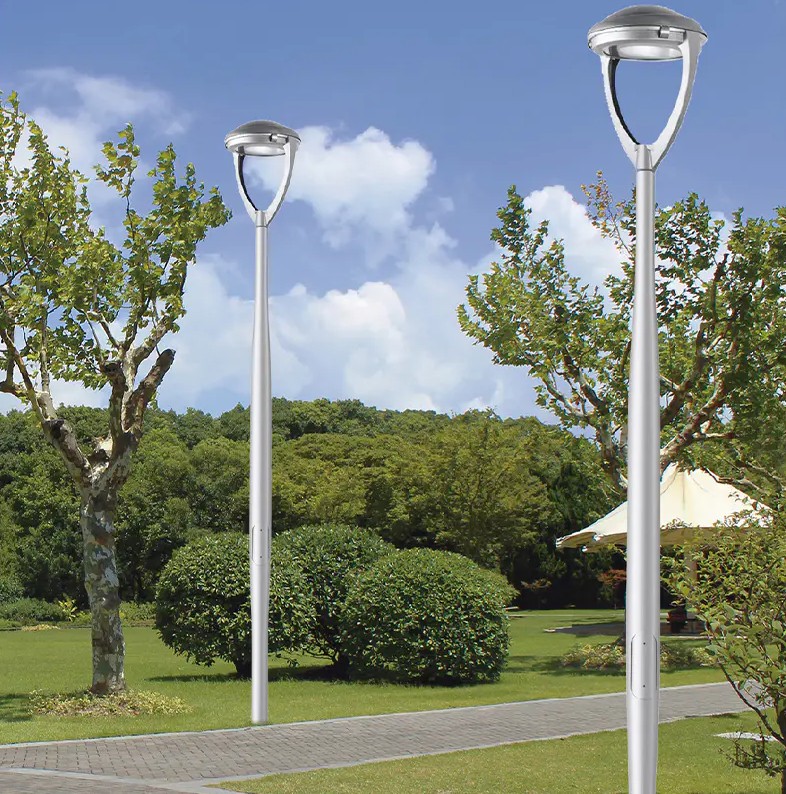
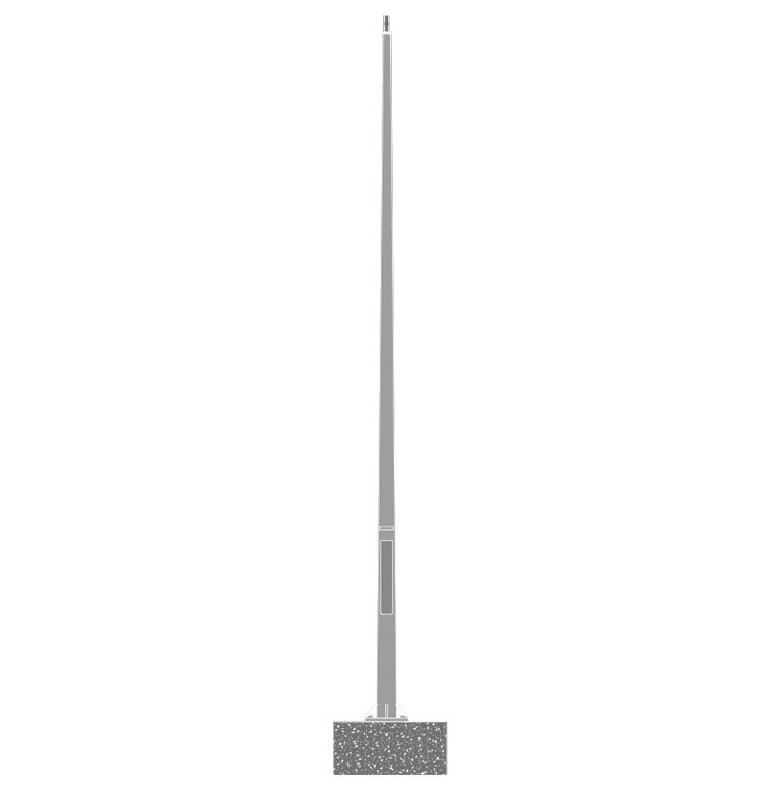
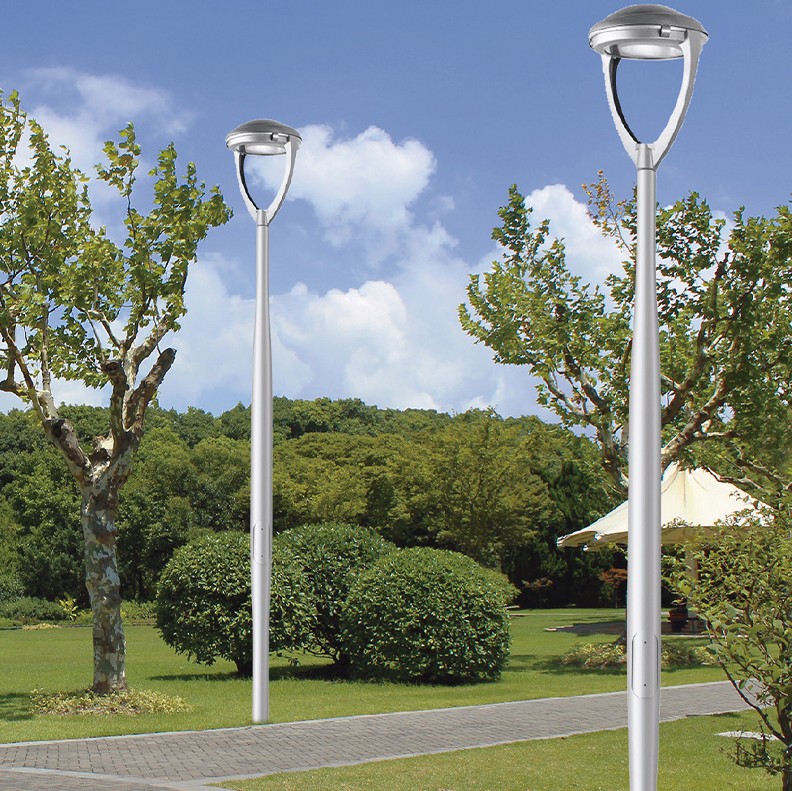
I pali solari possono integrare tecnologie avanzate quali sensori, telecamere, Wi-Fi, altoparlanti, ecc., per fornire servizi e funzionalità aggiuntivi quali gestione del traffico, sorveglianza, comunicazione e intrattenimento, ecc. I pali solari possono anche essere integrati con altri dispositivi e piattaforme intelligenti, come reti intelligenti, città intelligenti, ecc., per creare una rete connessa e intelligente.
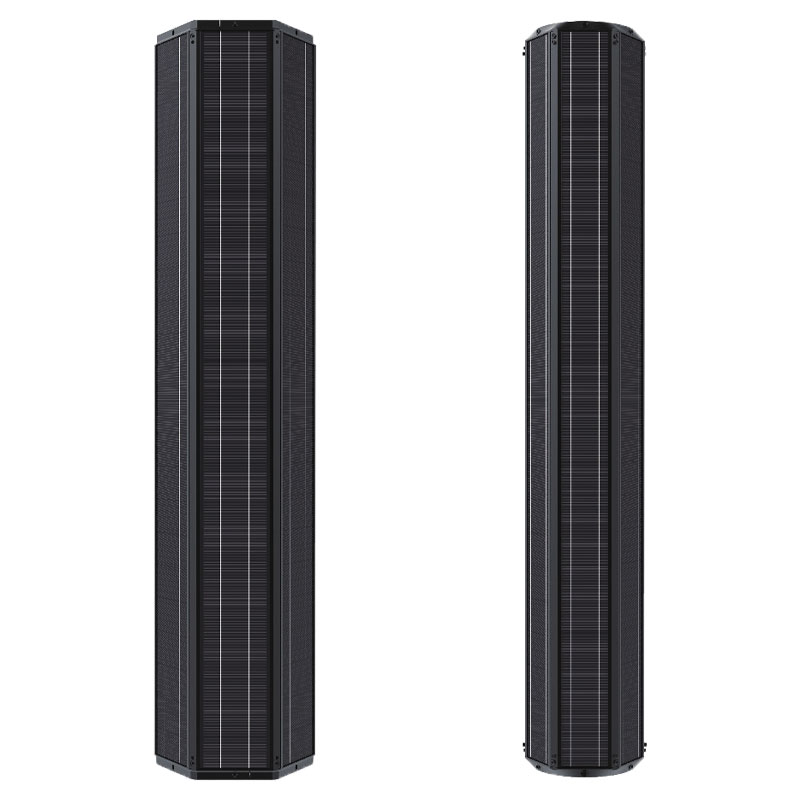
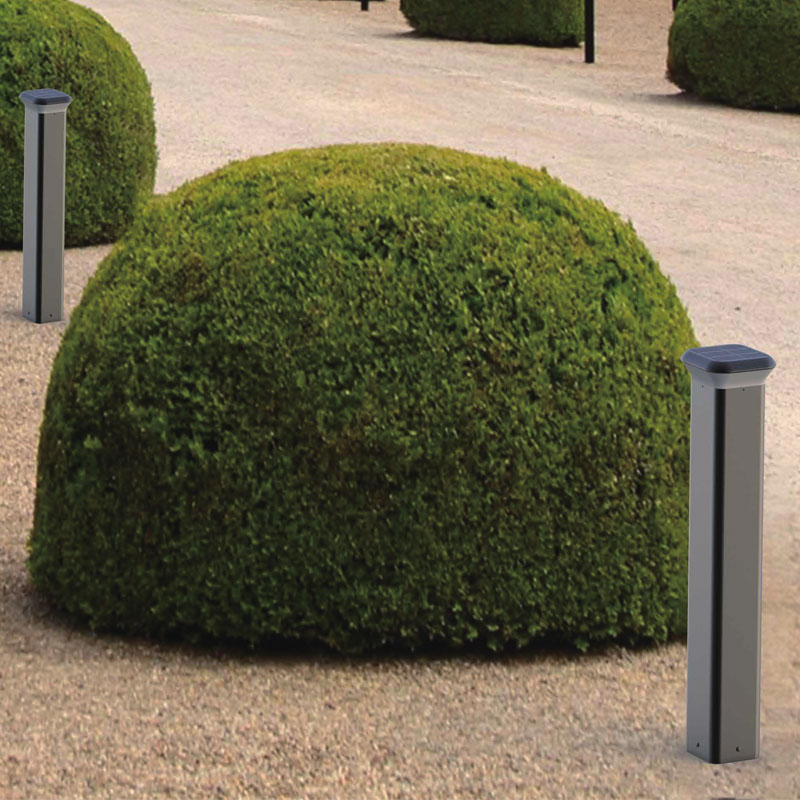
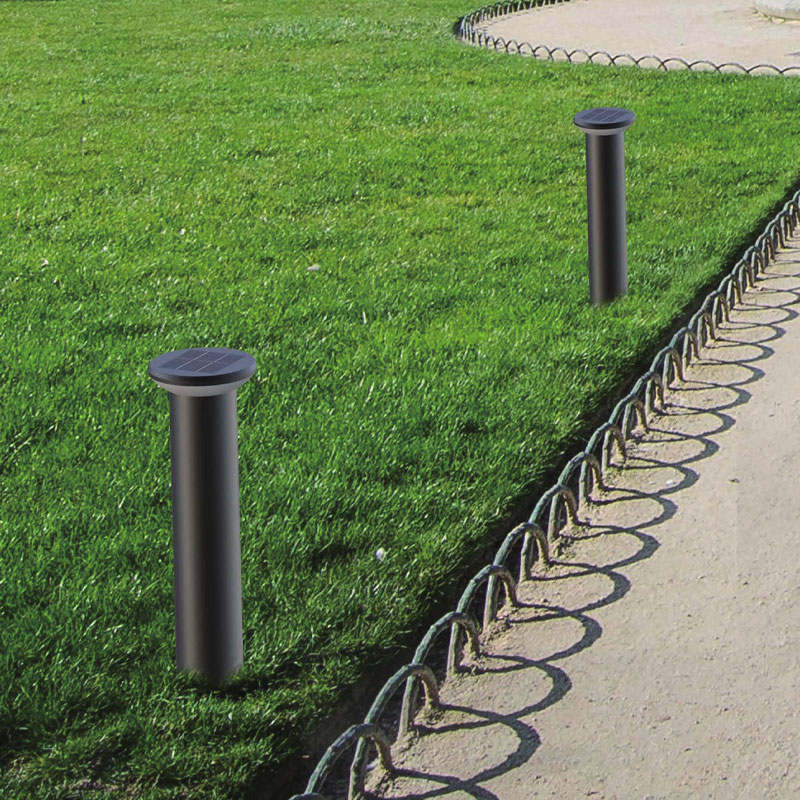
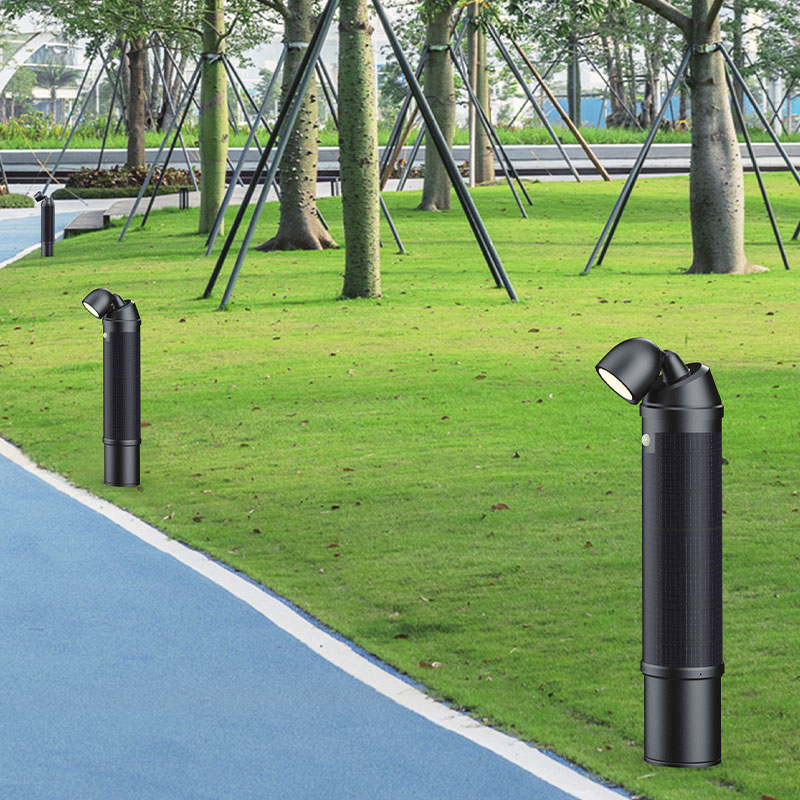
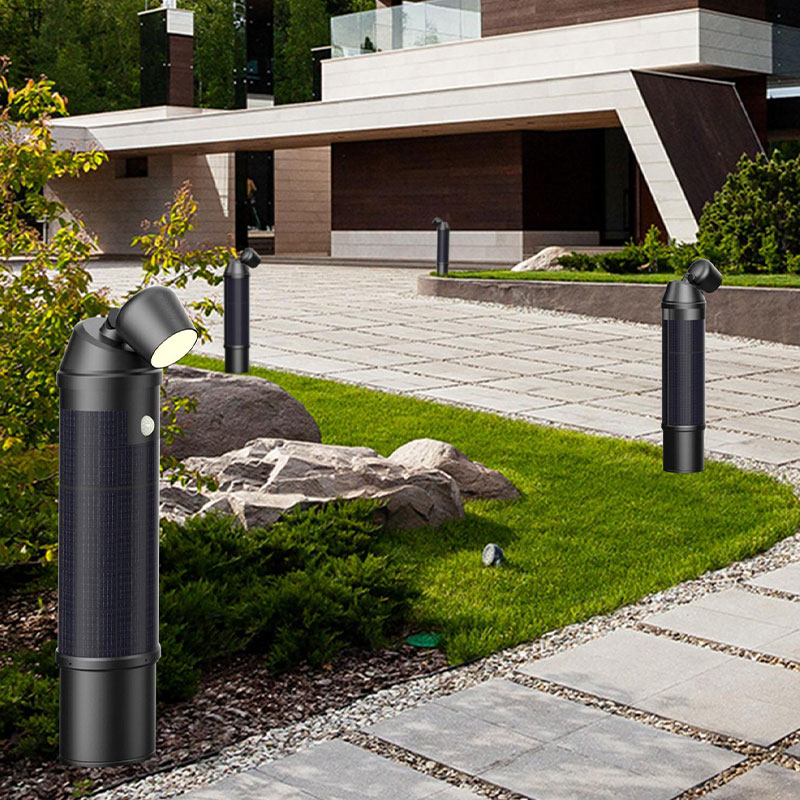

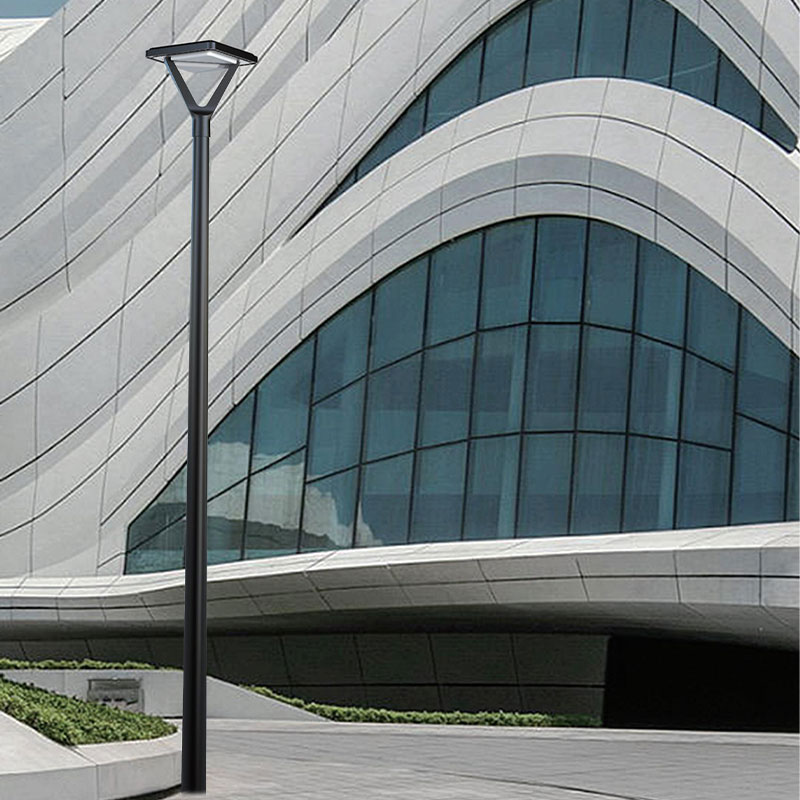
Un palo di 8 m su una strada principale, un palo di 3 m accanto a un vialetto di un giardino e un palo di 30 m sopra un piazzale portuale sono tutti pali della luce, ma appartengono a mondi ingegneristici diversi. L'altezza decide quale apparecchio può essere montato, quanto sono distanti i pali, quanto prof...
Vedi di piùUna scheda tecnica che dice "zincato a caldo" ti dice solo la metà di ciò che devi sapere. Due pali della luce in acciaio possono portare la stessa descrizione di due parole e comportarsi in modo completamente diverso dopo quindici anni di servizio. Uno ha una superficie di zinco grigio opaco senza ruggine rossa....
Vedi di piùSolitamente si scelgono prima gli apparecchi. In un progetto paesaggistico per un ufficio, il team di progettazione sceglie lanterne e proiettori testa-palo da un catalogo, l'appaltatore li valuta e solo dopo qualcuno chiede su cosa saranno montati, a quale altezza e su quale base. I pali diventano quindi il...
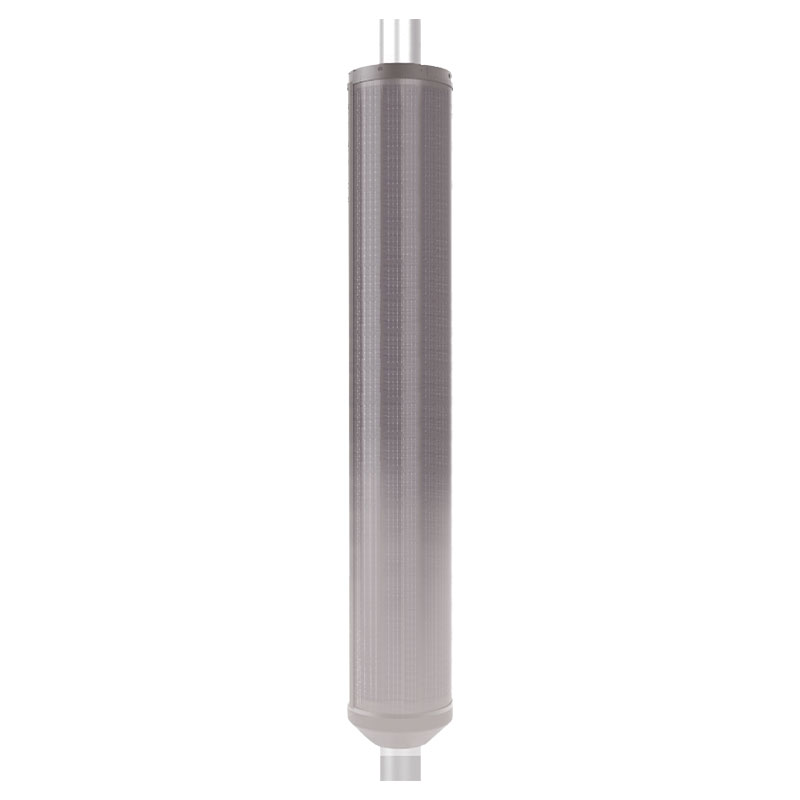
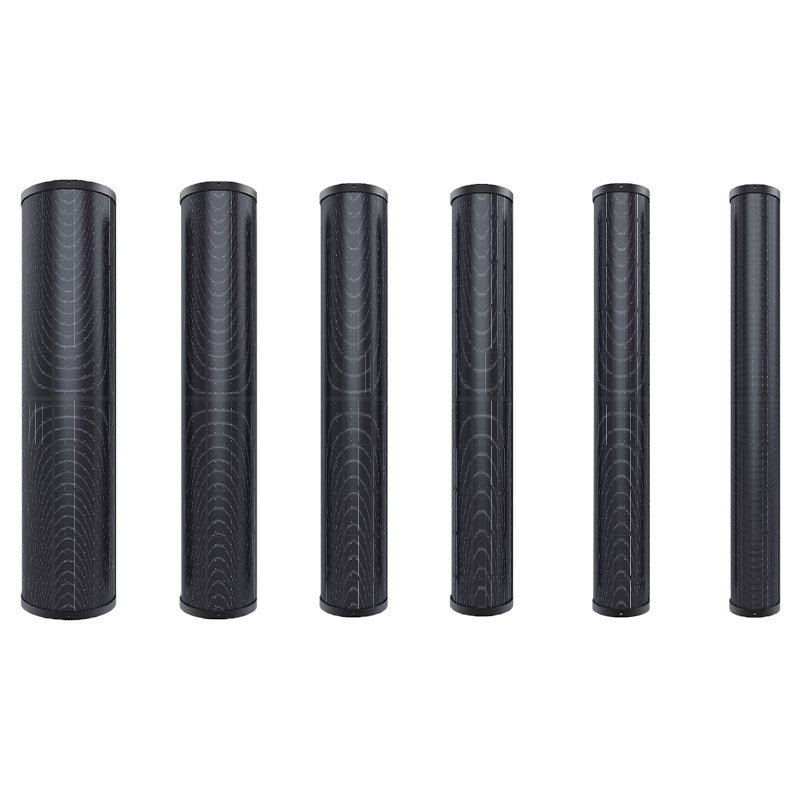
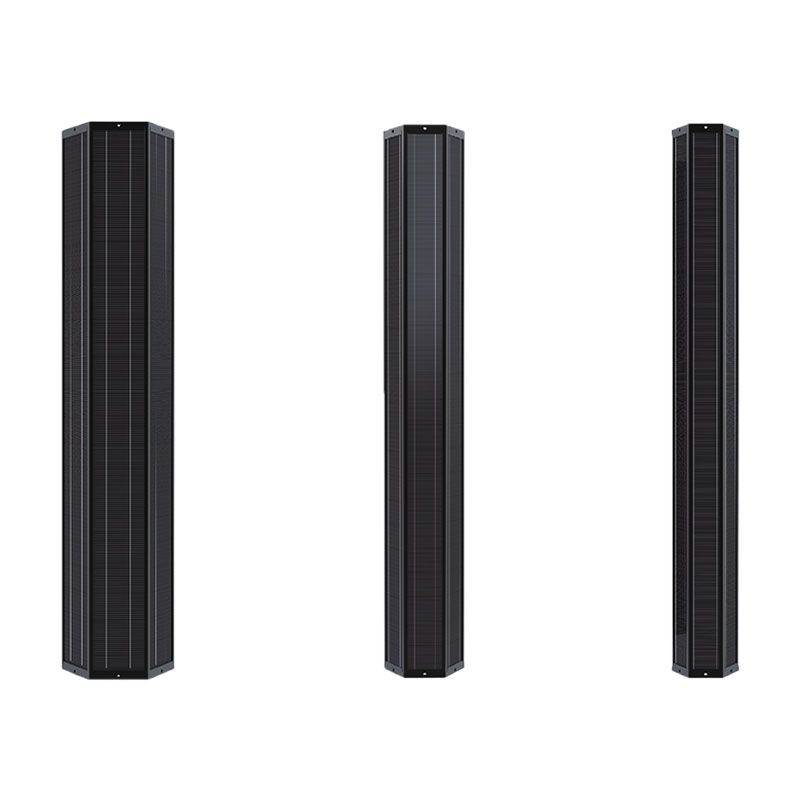
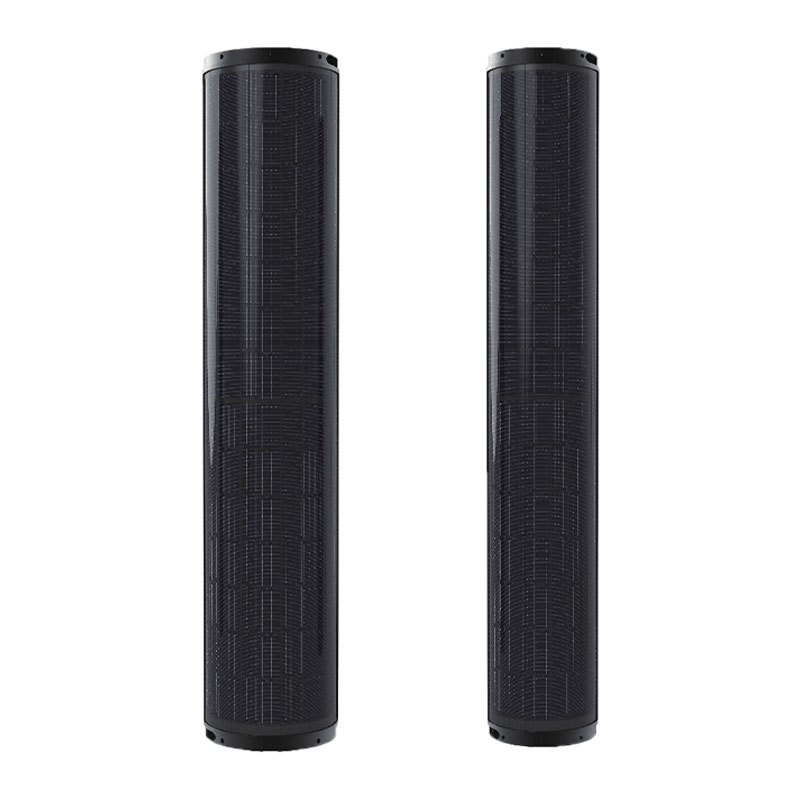
Vedi di più Solar Light Poles (also known as solar smart poles or solar multi-functional poles) have evolved from traditional lighting equipment into a key infrastructure component in smart city construction. They not only achieve green lighting but also, through the integration of various advanced technologies, become core nodes for urban information collection, transmission, management, and services.
The core advantage of Solar Light Poles lies in their independent power supply capability, enabling both off-grid and grid-connected operation.
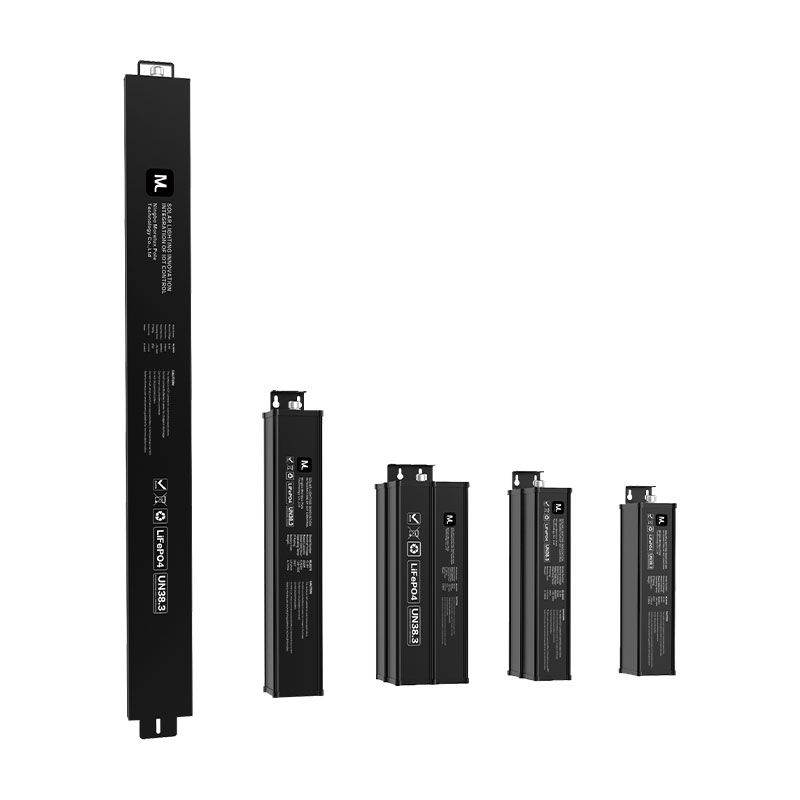
Utilizing high-efficiency solar panels for photovoltaic power generation, converting solar energy into electrical energy. An integrated energy storage system (typically lithium batteries) ensures stable power supply at night or during cloudy/rainy weather.
Employing high-efficiency LED lighting modules combined with intelligent dimming technology to achieve on-demand lighting, further saving energy and extending battery life.
The pole design considers wind resistance, corrosion resistance, and modular integration capabilities, facilitating the installation and maintenance of various intelligent devices.
The greatest value of solar smart poles lies in their powerful multi-functional integration capabilities, making them a crucial carrier of the Internet of Things (IoT) in cities.
| Functional Modules | Integrated Technologies | Typical Application Scenarios |
| Environmental Monitoring | Sensors (temperature, humidity, PM2.5, noise) | Air quality monitoring, real-time environmental data collection |
| Video Security | High-definition cameras, AI video analytics | Traffic management, public safety monitoring, pedestrian/vehicle flow statistics |
| Wireless Communication | Wi-Fi hotspots, 5G micro-stations | Providing public internet access, cellular network signal coverage |
| Information Dissemination | LED displays, information dissemination systems | Public information, advertising, emergency warnings |
| Emergency Services | One-button alarm systems, public address systems | Emergency assistance, disaster warnings, information dissemination |
| Electronic Vehicles | Charging stations | Providing convenient charging services for electric bicycles/cars |
The future development trend of Solar Light Poles is deep integration with larger urban systems, forming a highly interconnected smart network.
Urban data collected by the poles (such as environmental data and traffic flow) is transmitted via network to a smart city platform or data center for unified management and analysis, supporting urban operational decision-making.
Solar poles can interact with the smart grid as distributed power generation nodes, optimizing power dispatch and utilization efficiency.
Covering multiple fields such as new energy, communication technology, IoT, and urban management, it has spurred the emergence of new solution providers for smart streetlights and smart poles.
With its independent power supply advantage and powerful multi-functional integration capabilities, Solar Light Pole solve the power supply and wiring problems of traditional smart poles, greatly reducing the threshold and deployment costs of smart city construction. It is an important carrier for realizing urban intelligence, improving urban governance efficiency, and enhancing the quality of life for citizens.
The main differences lie in the power supply method and functional integration. Solar poles use photovoltaic power generation for independent power supply and integrate multi-functional modules such as sensors and cameras.
Yes. They have a built-in high-efficiency energy storage system (battery) that can store electrical energy to ensure stable LED lighting and equipment operation at night or during continuous cloudy or rainy weather.
Common functions include environmental monitoring, security monitoring, Wi-Fi coverage, 5G micro-stations, information dissemination, and one-click alarms.
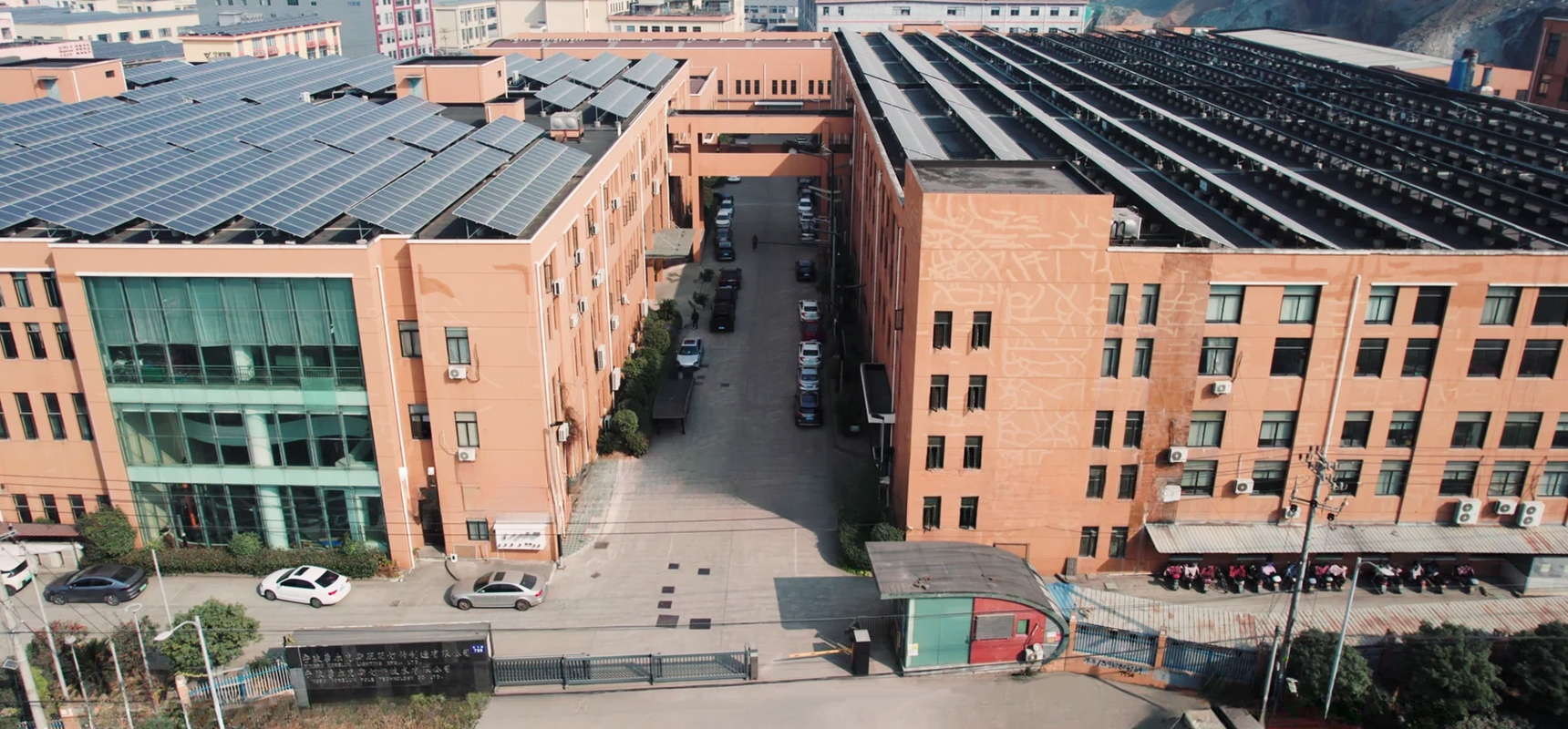
Ningbo Morelux Pole Technology Limited Tutti i diritti riservati. Vendita all'ingrosso Palo per Illuminazione Solare Produttore OEM/ODM Palo per Illuminazione Solare Azienda



 英语
英语 西班牙语
西班牙语 法语
法语 阿拉伯语
阿拉伯语 意大利语
意大利语